Triumph’s India-Built 400s: Growth Engine, Not the Brand’s Core
With the launch of its India-built 400 lineup, Triumph has posted eye-catching growth. But how central are the Speed 400 and Scrambler 400 X to the British brand’s long-term strategy? The data paints a nuanced picture: strategically critical — but not the whole story.
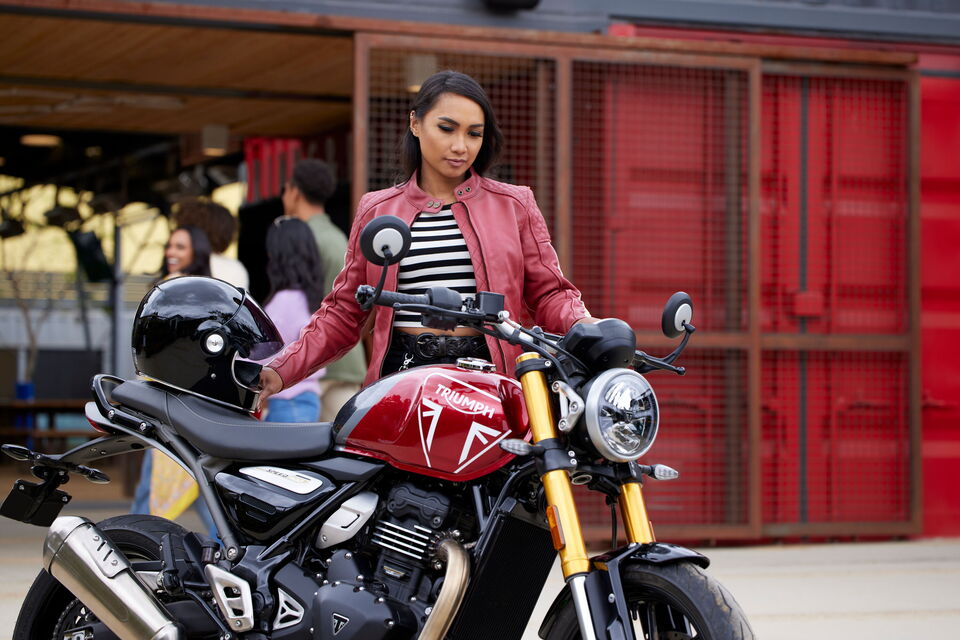
A New Gateway Into the Brand
Triumph’s partnership with India’s Bajaj is clearly paying off. The two 400cc singles were deliberately positioned as an affordable entry point, targeting younger riders, first-time buyers, and markets where large-displacement bikes remain niche.
The impact is tangible. In 2024, Triumph sold 134,635 motorcycles worldwide, up roughly 64 percent year over year. Of those, 29,736 units were Speed 400s and Scrambler 400 Xs — a substantial share of the brand’s recent growth.
India Changes the Game
Nowhere is the importance of the 400 platform more obvious than in India. The subcontinent is the world’s largest motorcycle market, and machines around 400cc already qualify as “big bikes.”
Triumph has aggressively expanded its footprint and now sells more than one in four motorcycles in India.
Local Bajaj production delivers clear advantages:
- significantly lower pricing
- higher production volume
- broader dealer coverage
- faster market penetration
Without the 400s, Triumph would struggle to generate comparable scale in this key market.
Volume Leaders — Not Image Anchors
Despite their success, the small-displacement Triumphs are not automatically the brand’s most important models overall. Their role is clearly defined.
Where the 400s excel:
- boosting global unit sales
- attracting new riders
- opening emerging markets
- lowering the barrier to entry
Still carrying the brand’s premium DNA:
- Bonneville family
- Tiger adventure lineup
- Speed Triple models
These larger machines continue to anchor Triumph’s image and profitability.
Strategic Takeaway
The 400 platform marks a genuine shift in Triumph’s business model. For the first time, the company has true volume players in the lower mid-displacement segment. Yet the brand’s emotional and financial center of gravity remains firmly in the premium space.
Bottom line: the 400s are Triumph’s growth engine — but not its beating heart.